World Vision Canada
UI Designer
2024
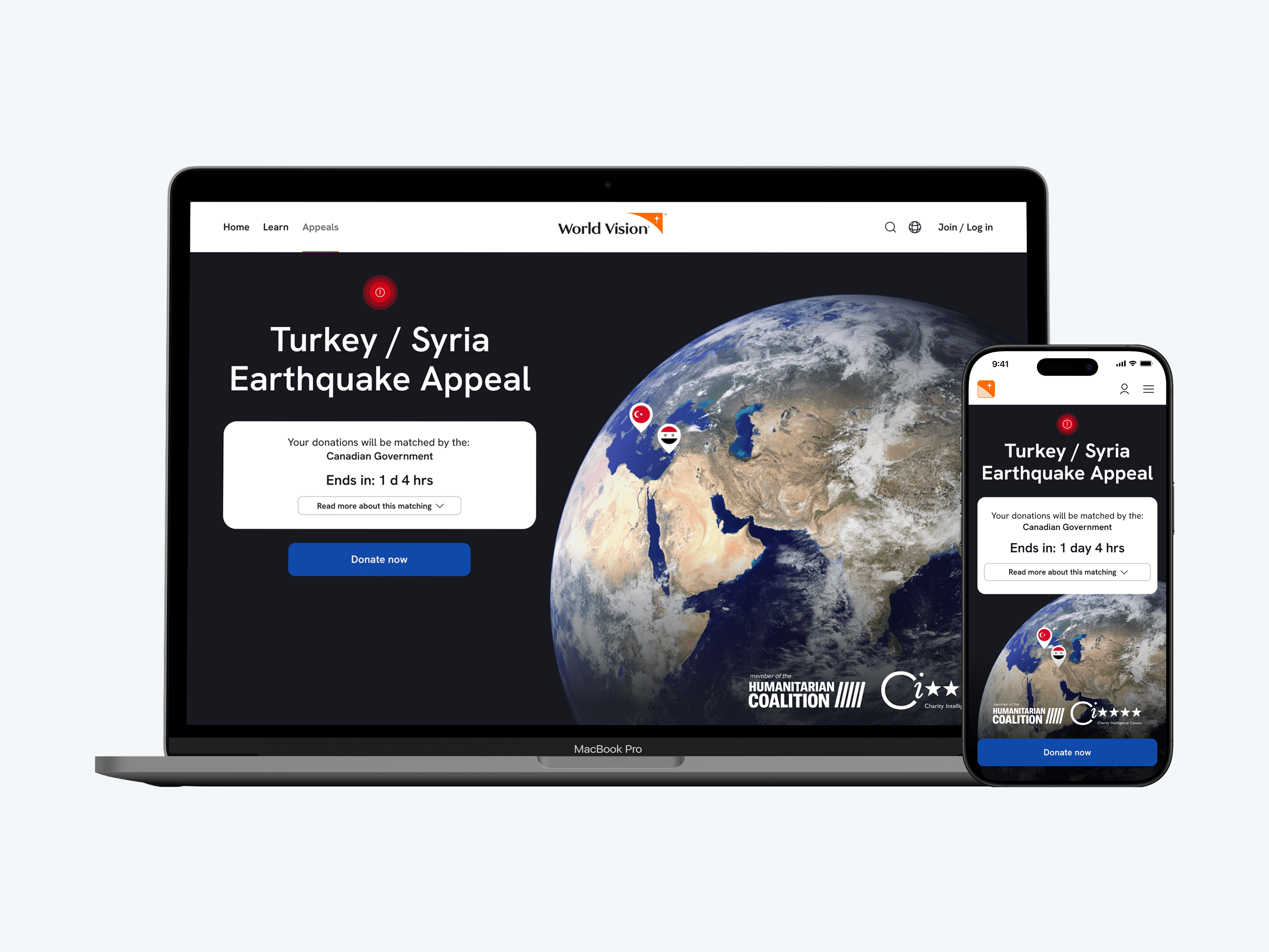
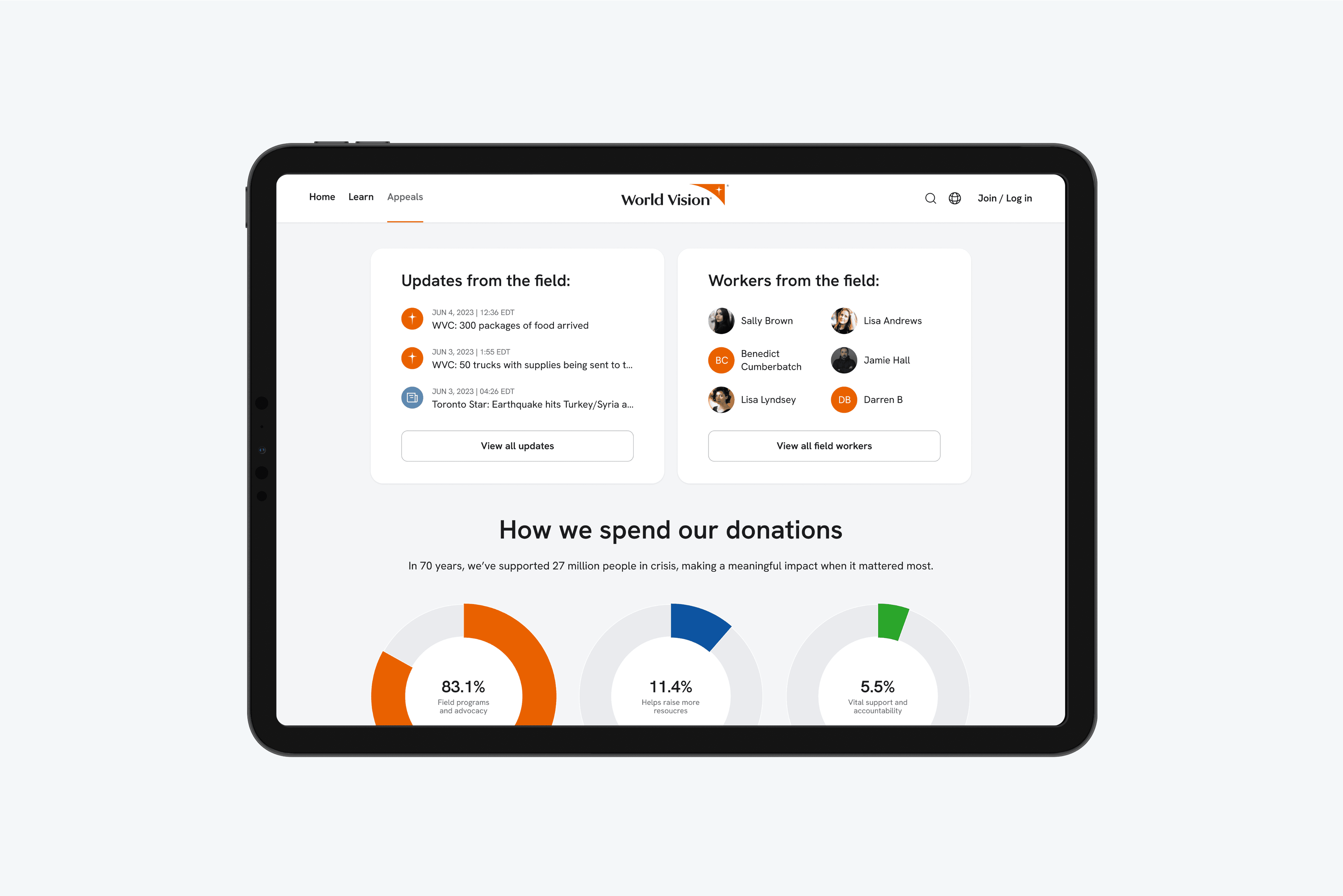
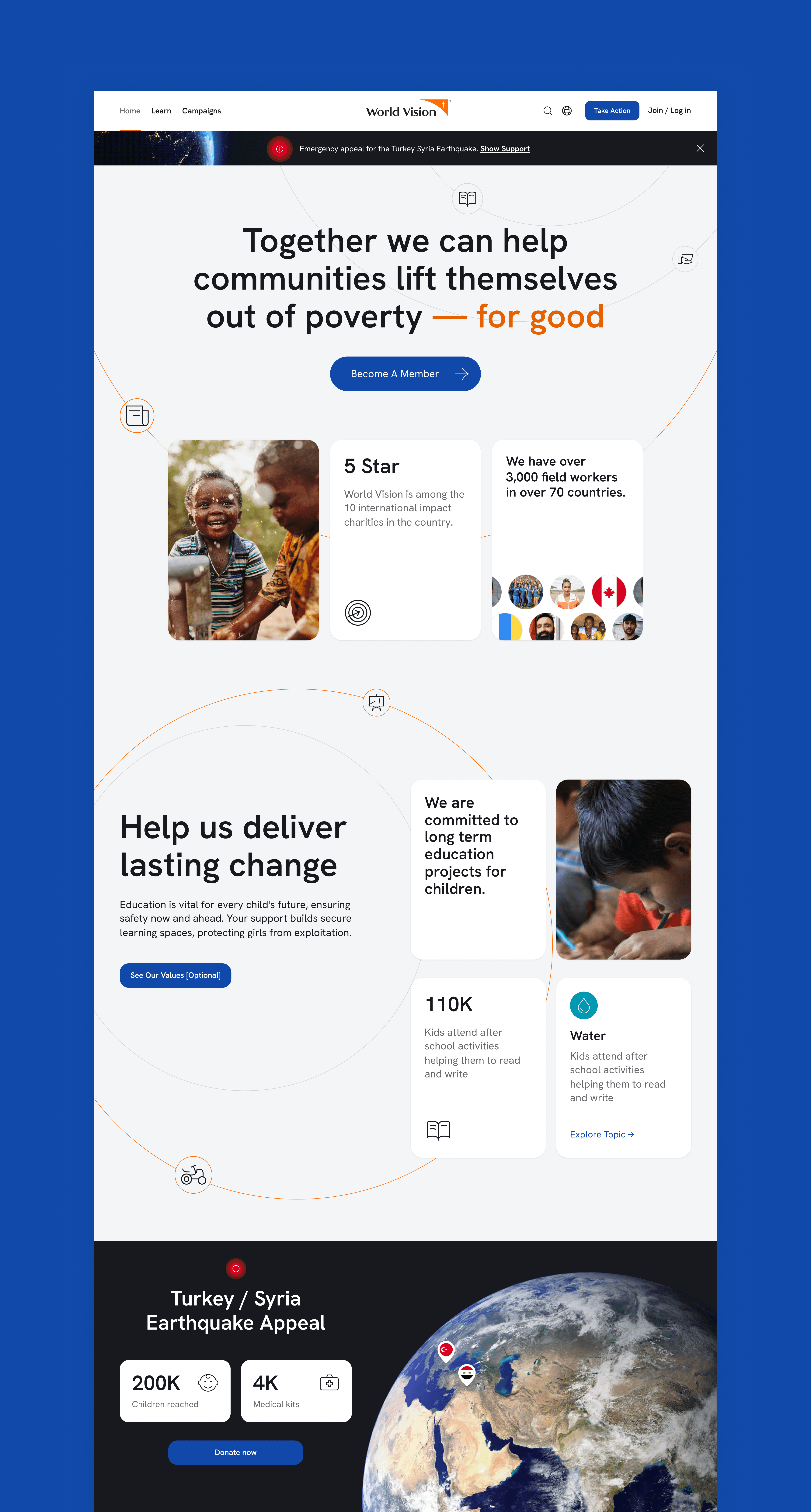
To design an emergency response product that gives real-time updates and speeds up the donation process during a crisis.
The big challenge
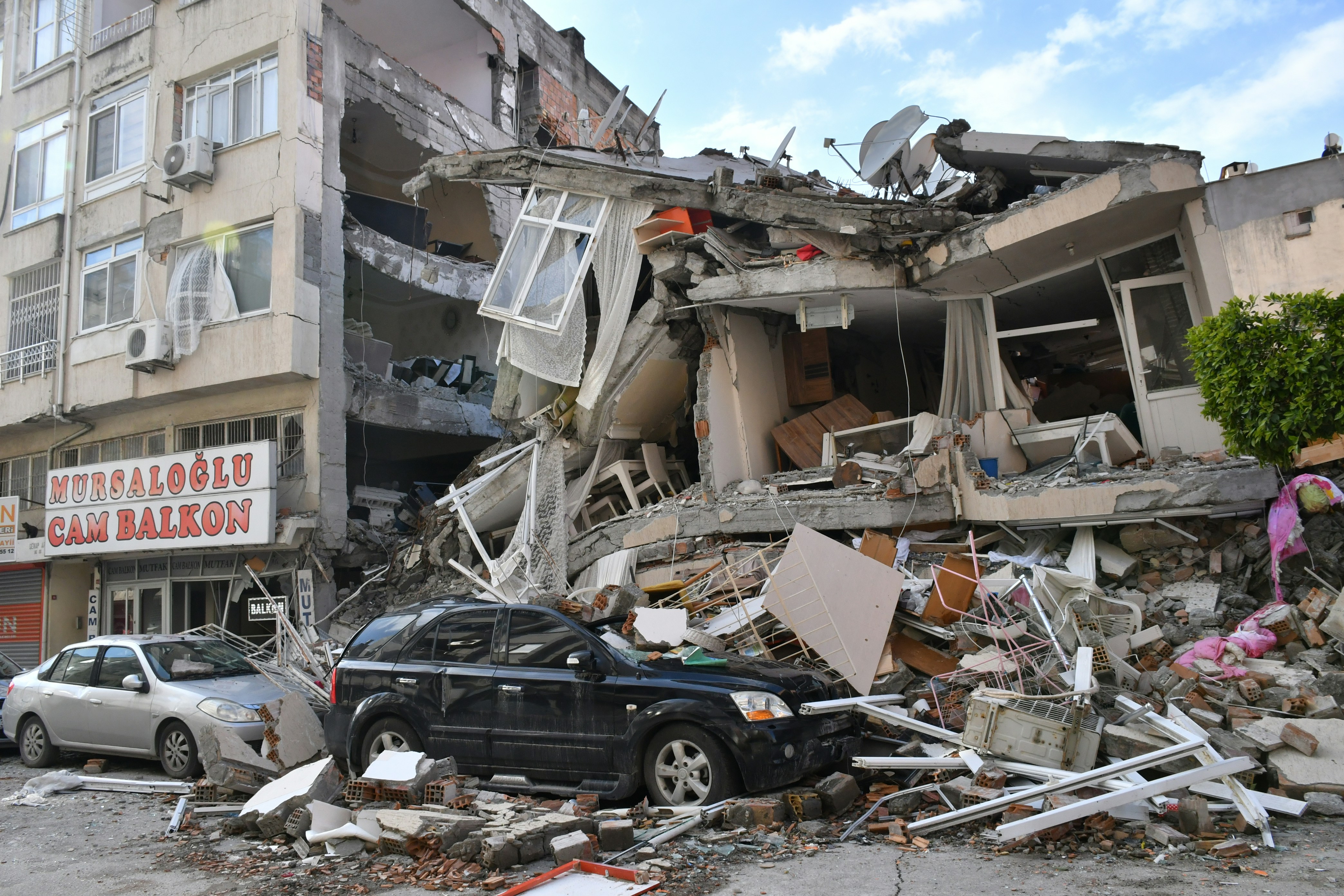
World Vision Canada faced challenges with their emergency appeal system, which required improvements to enhance user engagement and streamline the donation process. This caused them to miss critical moments to connect with donors during emergencies.
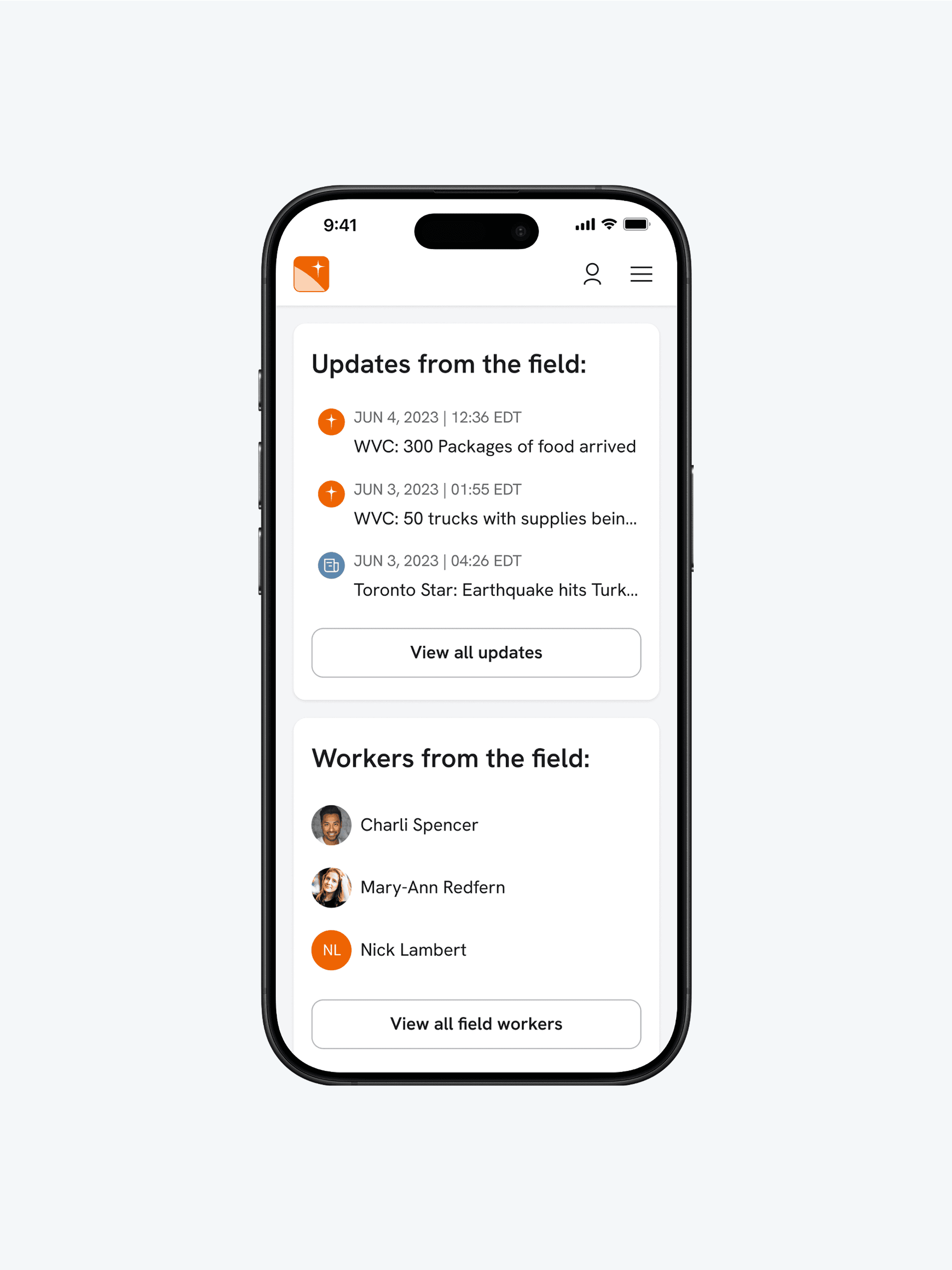
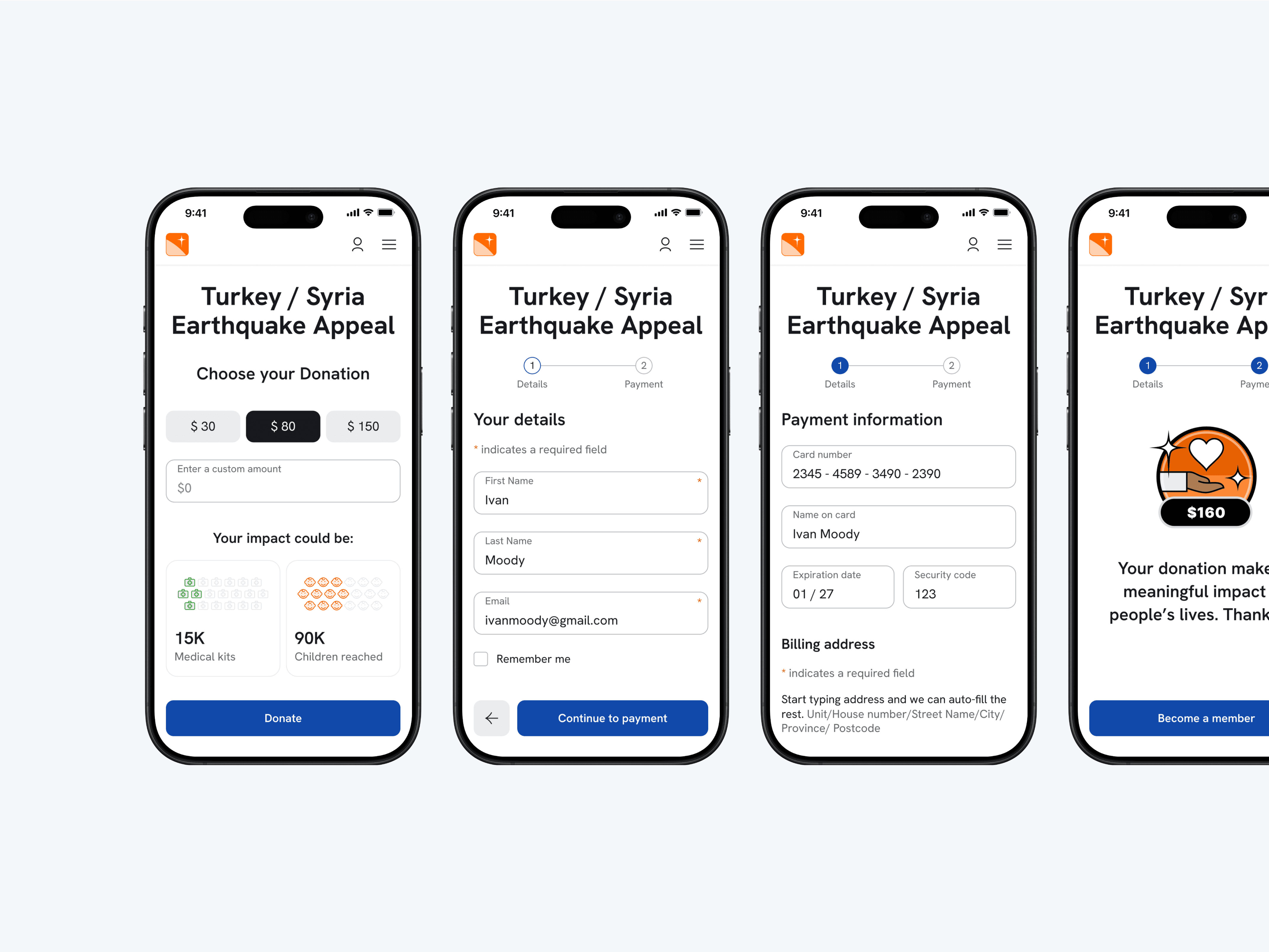
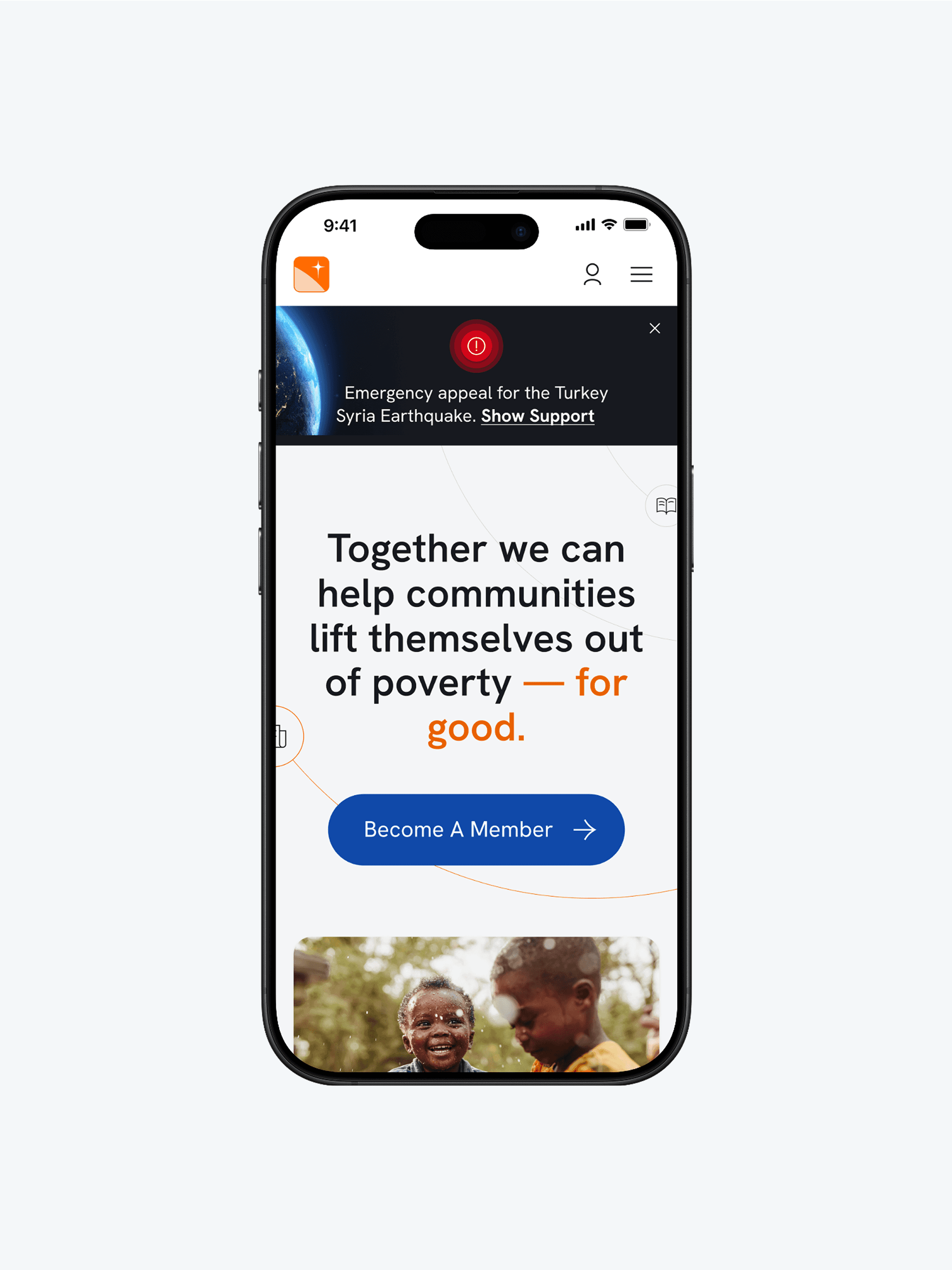
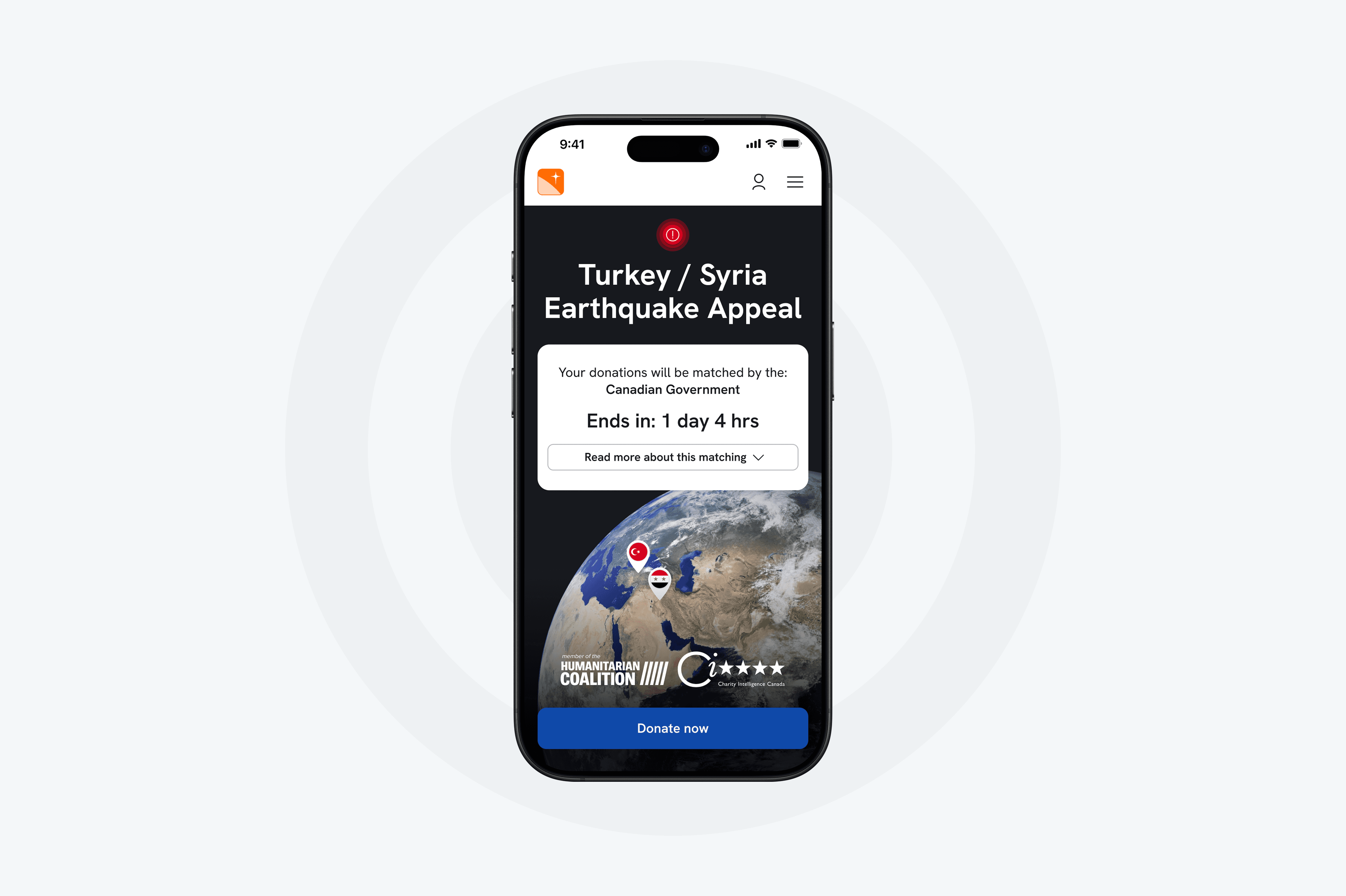
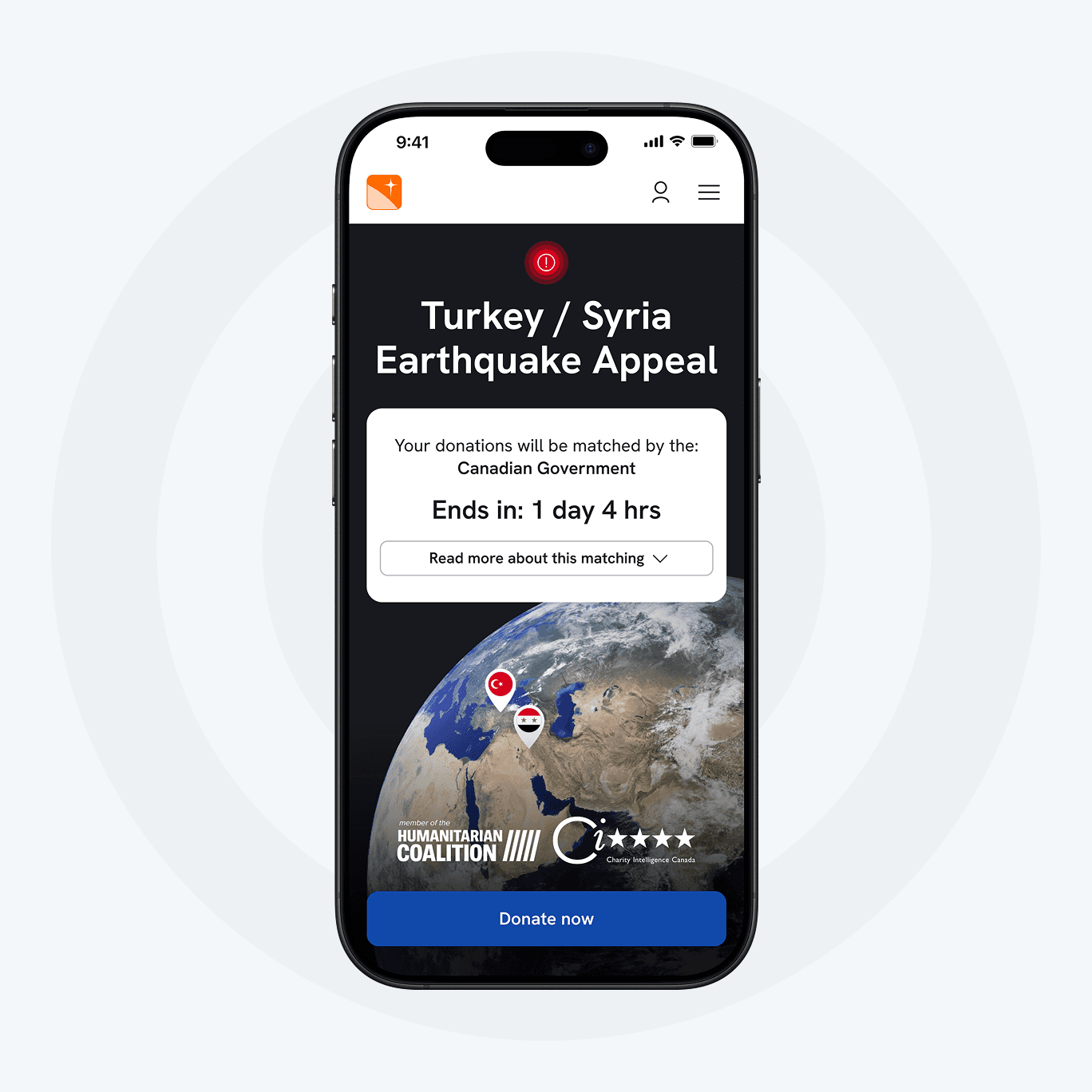
Their goal was to put donors at the heart of their strategy, speed up the emergency appeal process, and maximise their reach. I was tasked with designing a completely new appeal page and donation flow that could be quickly updated with emergency information and easily receive donations.

The approach
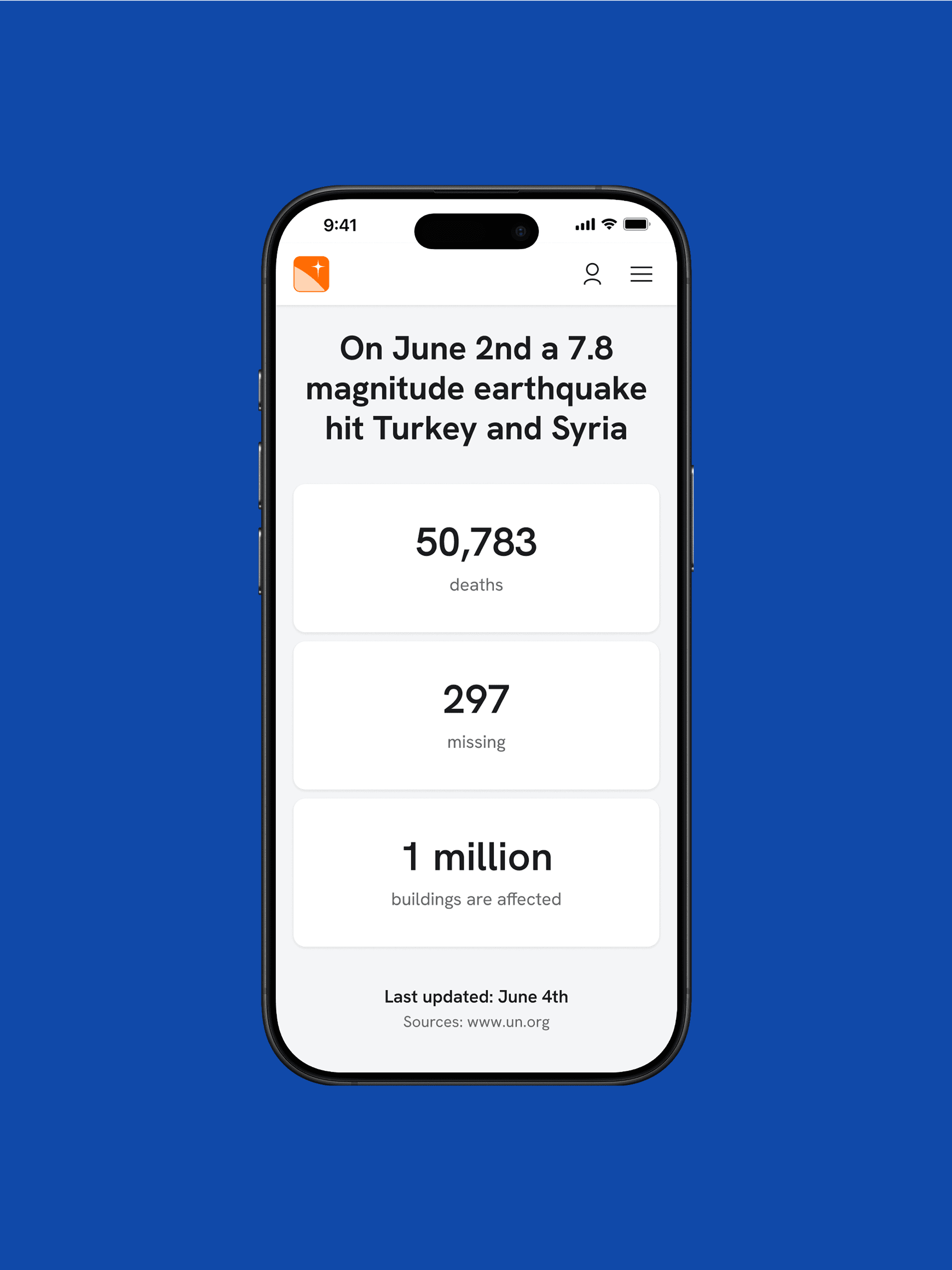
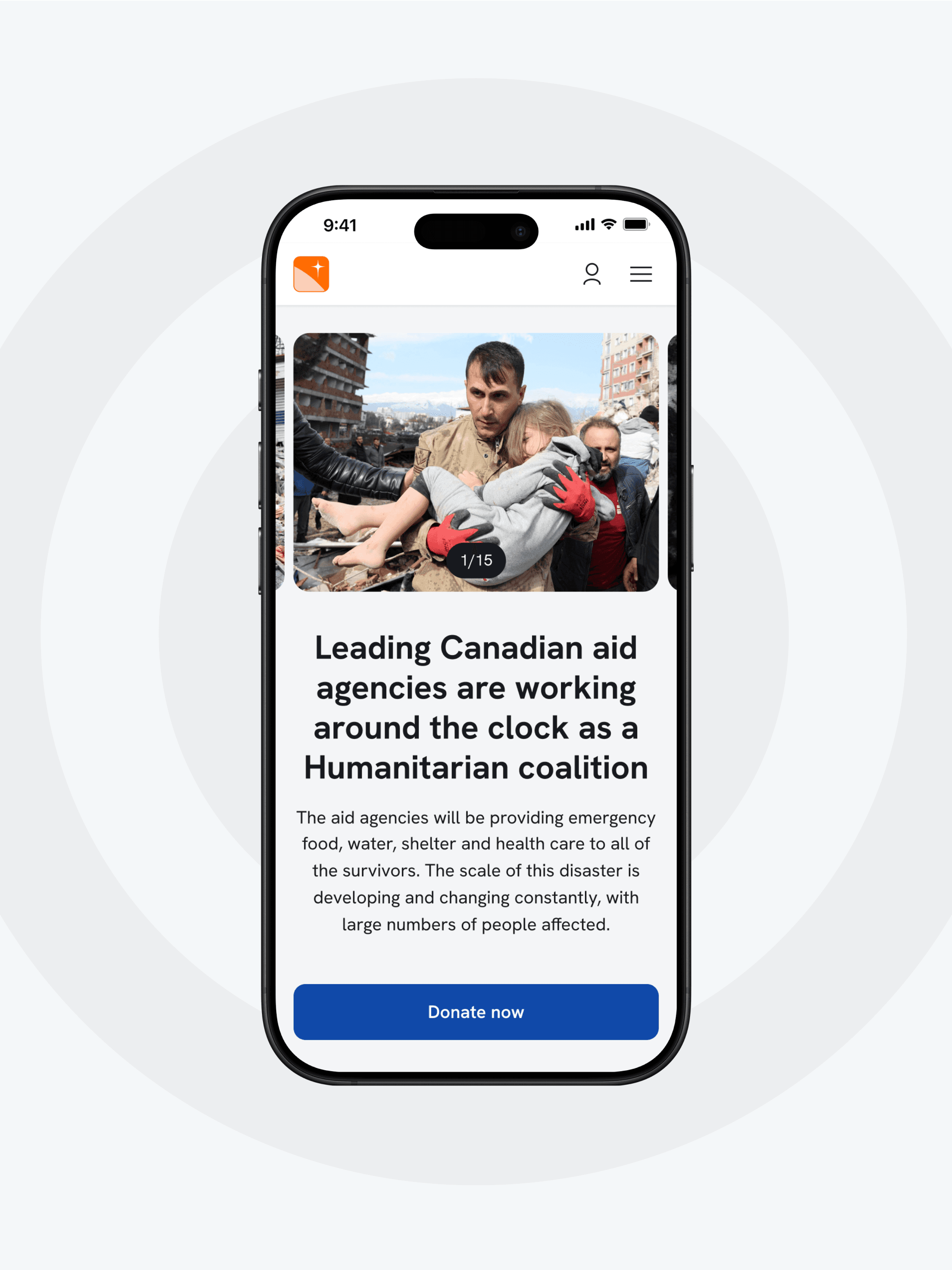
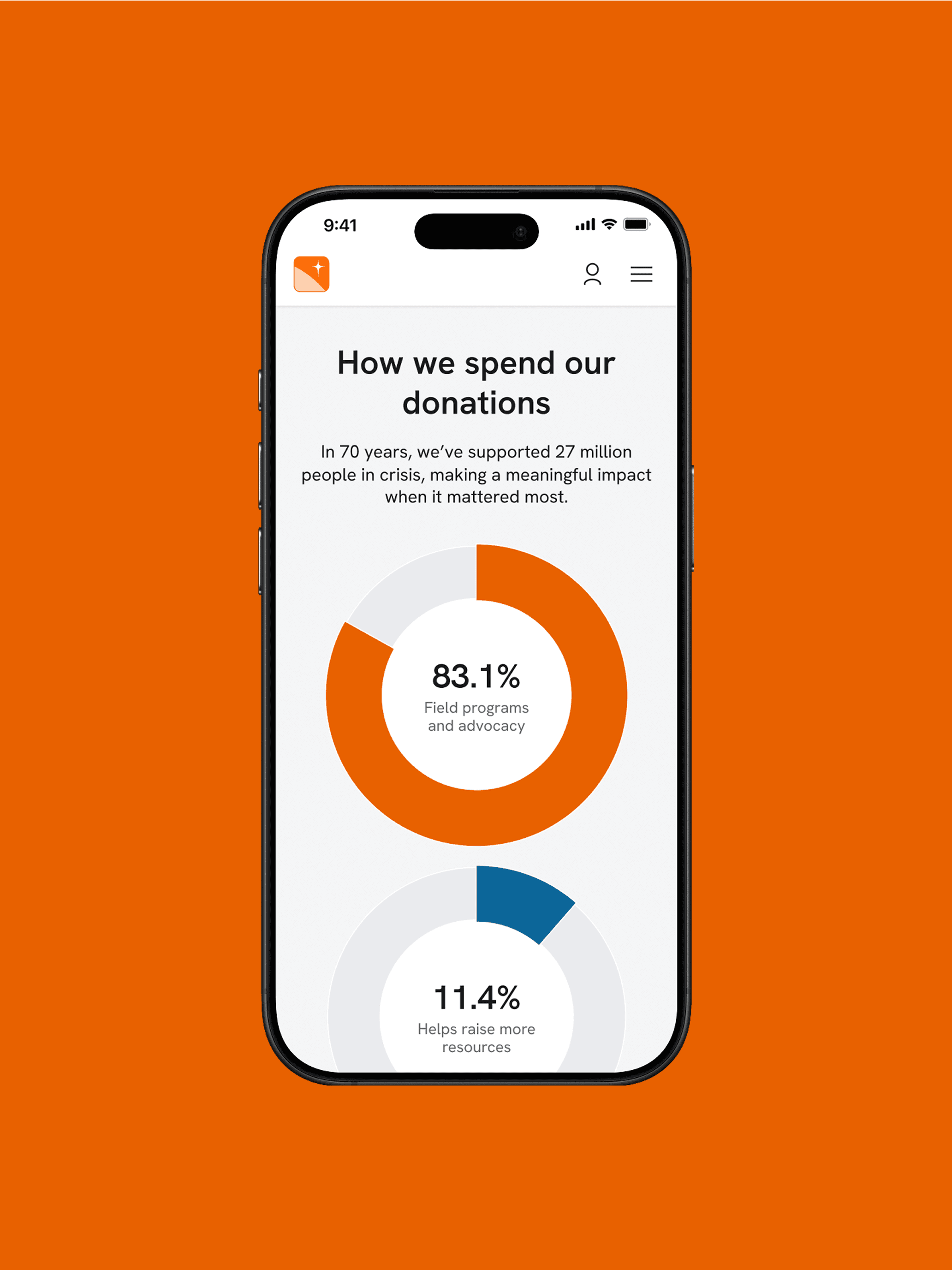
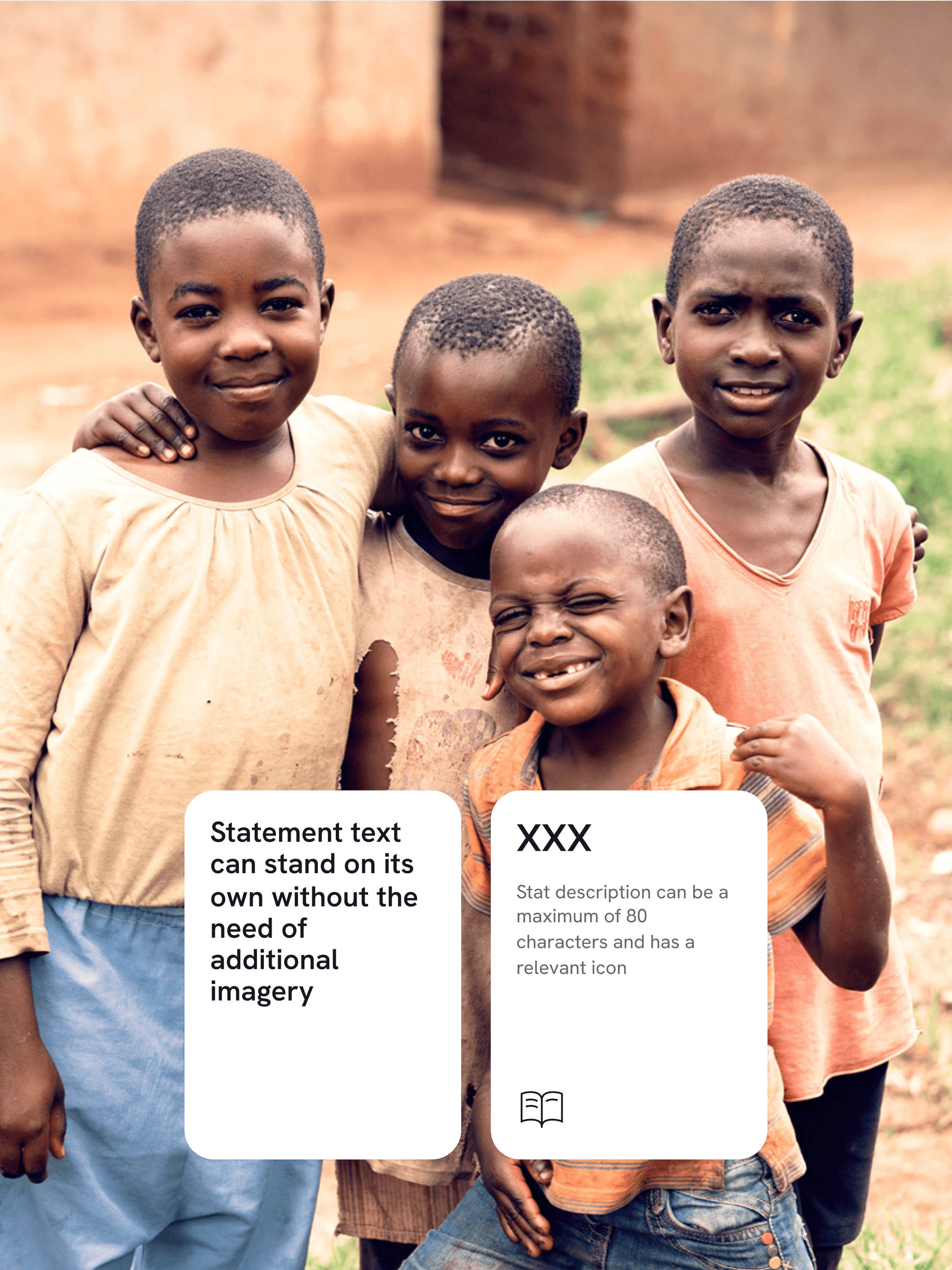
Key insights from the research and discovery phases were found, learning how different audiences respond to emergencies. We identified two key observations - those preferring numbers and data, and others connecting more deeply with personal stories and imagery. These insights helped shape the strategy, ensuring the platform could engage donors on an emotional and practical level.
Following these observations, I developed visual concepts and tested these on users to see why they might or might not work. To validate the approach further, I created a prototype to demonstrate the Minimum Viable Product (MVP) to illustrate the entire donor journey, from initial engagement to the final donation.
We tested this prototype with real users, gathering feedback to refine and perfect the experience, ensuring it was intuitive, and would provide optimum donor conversion.
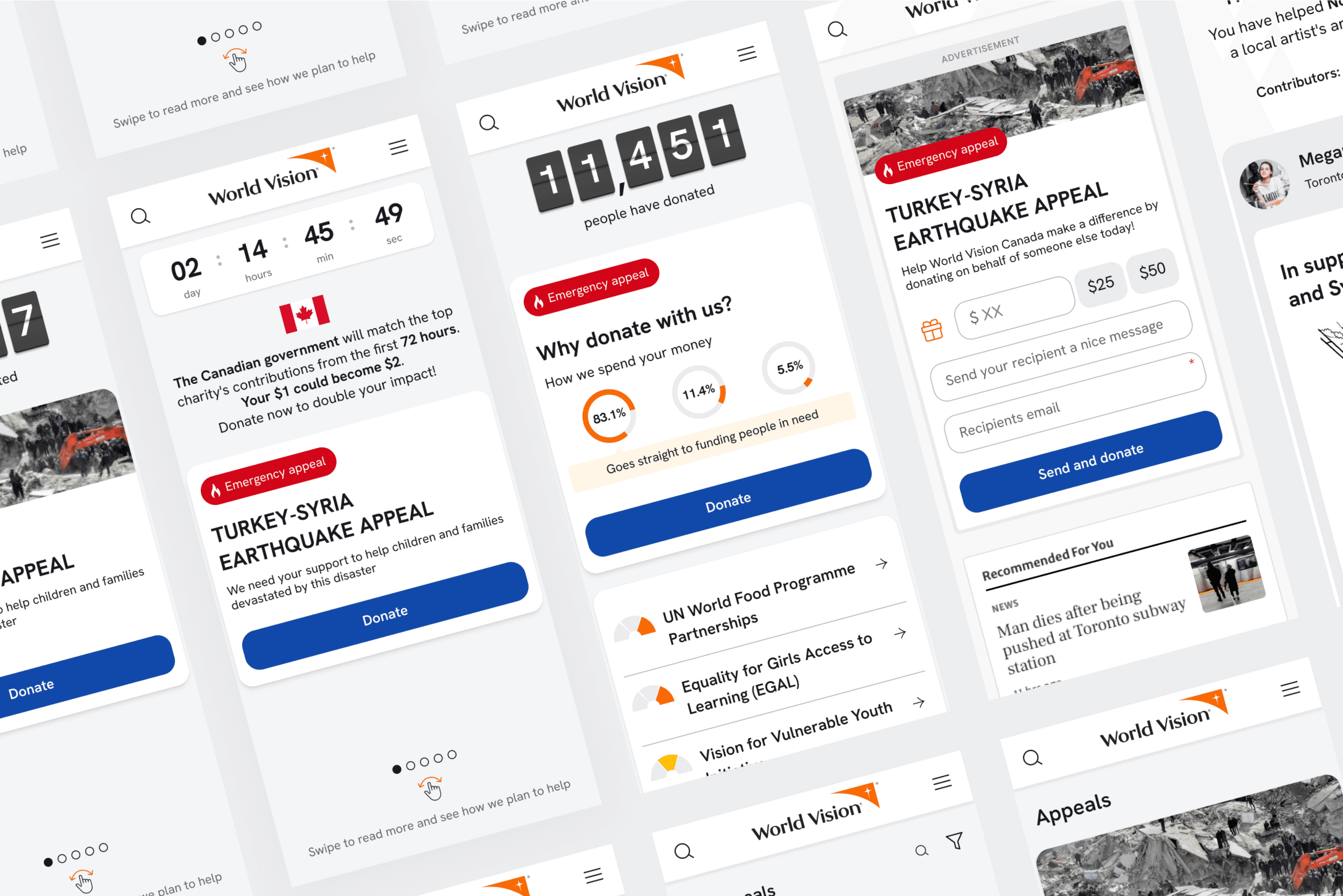
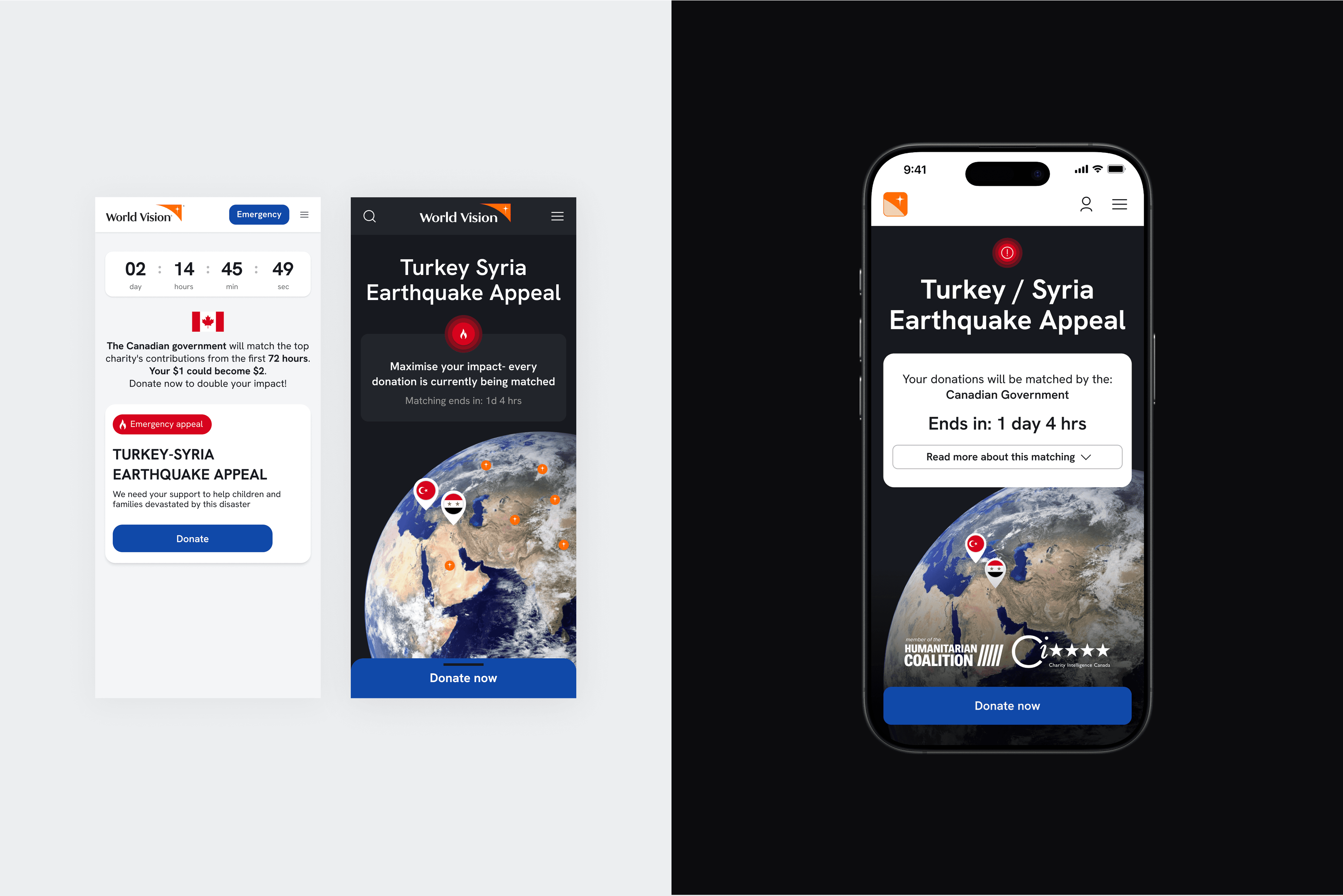
How did it look?
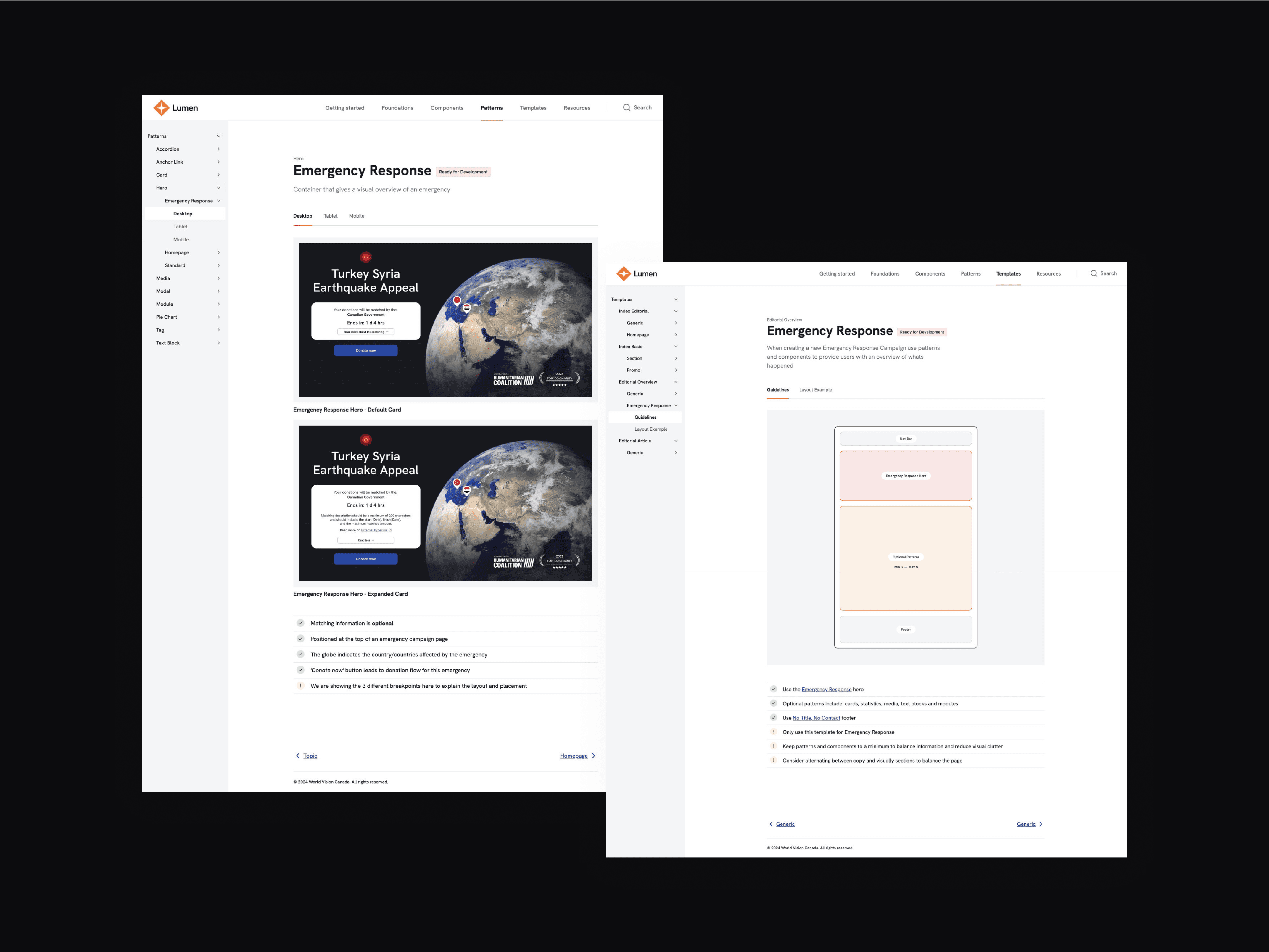
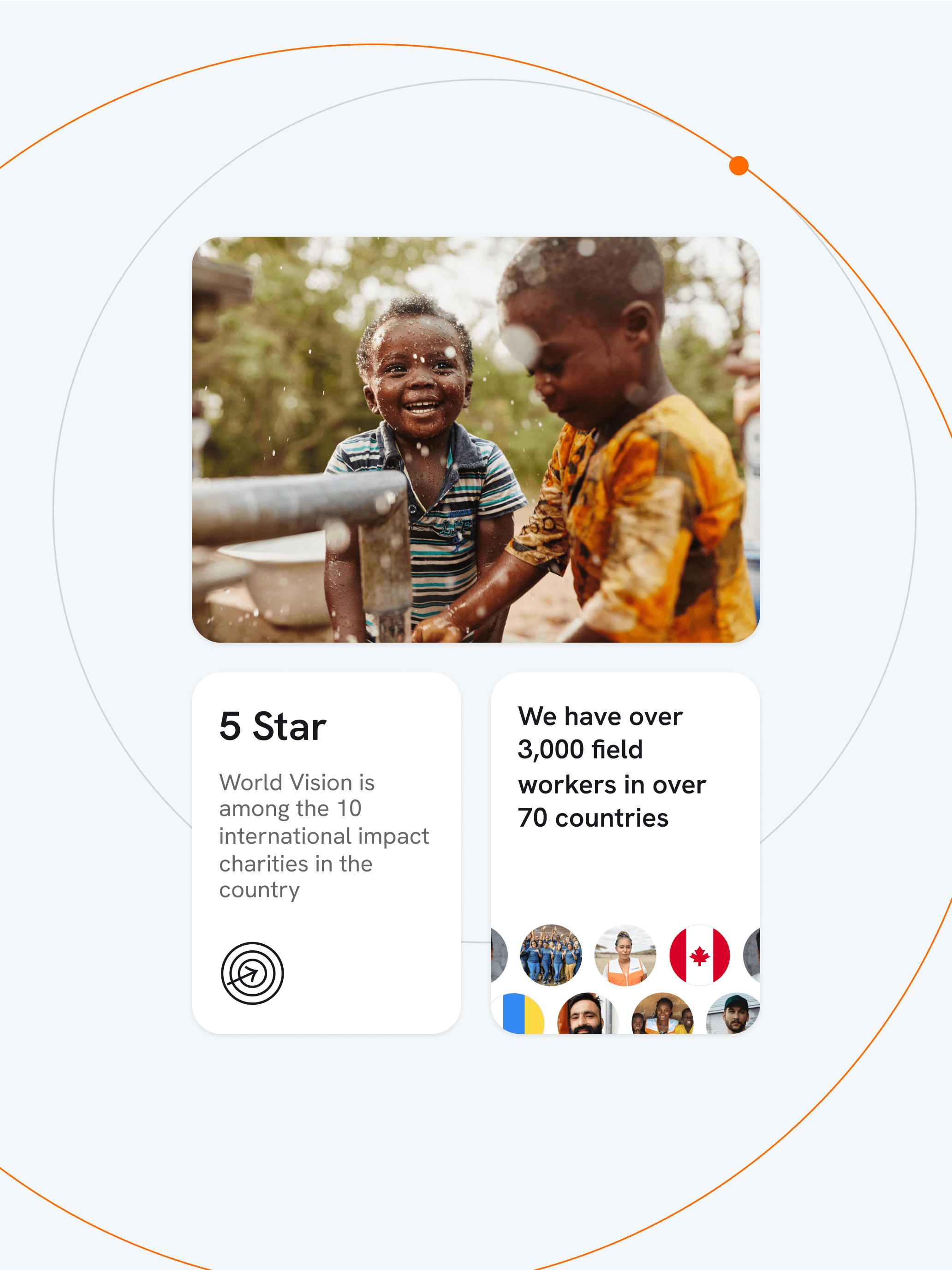
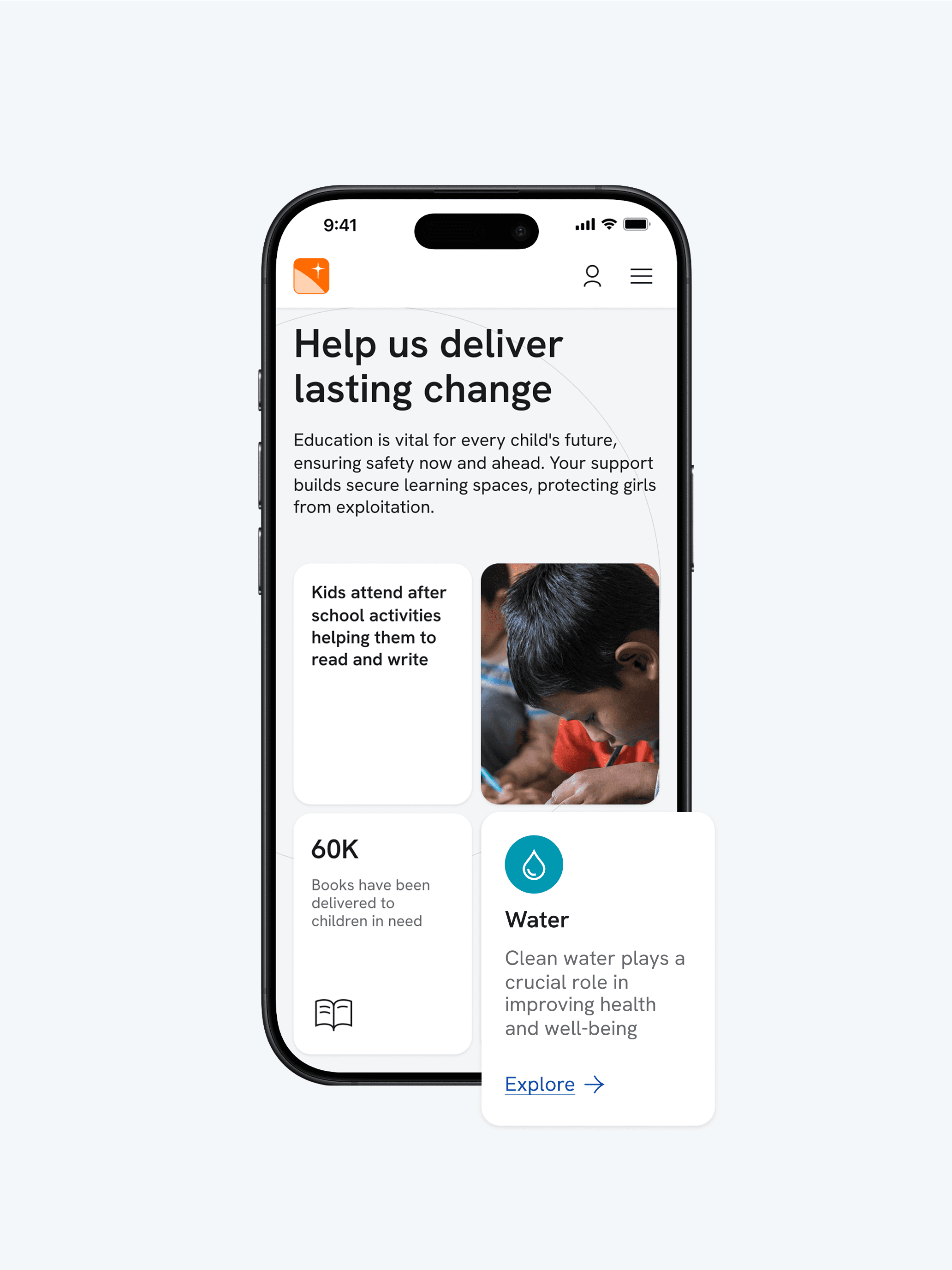
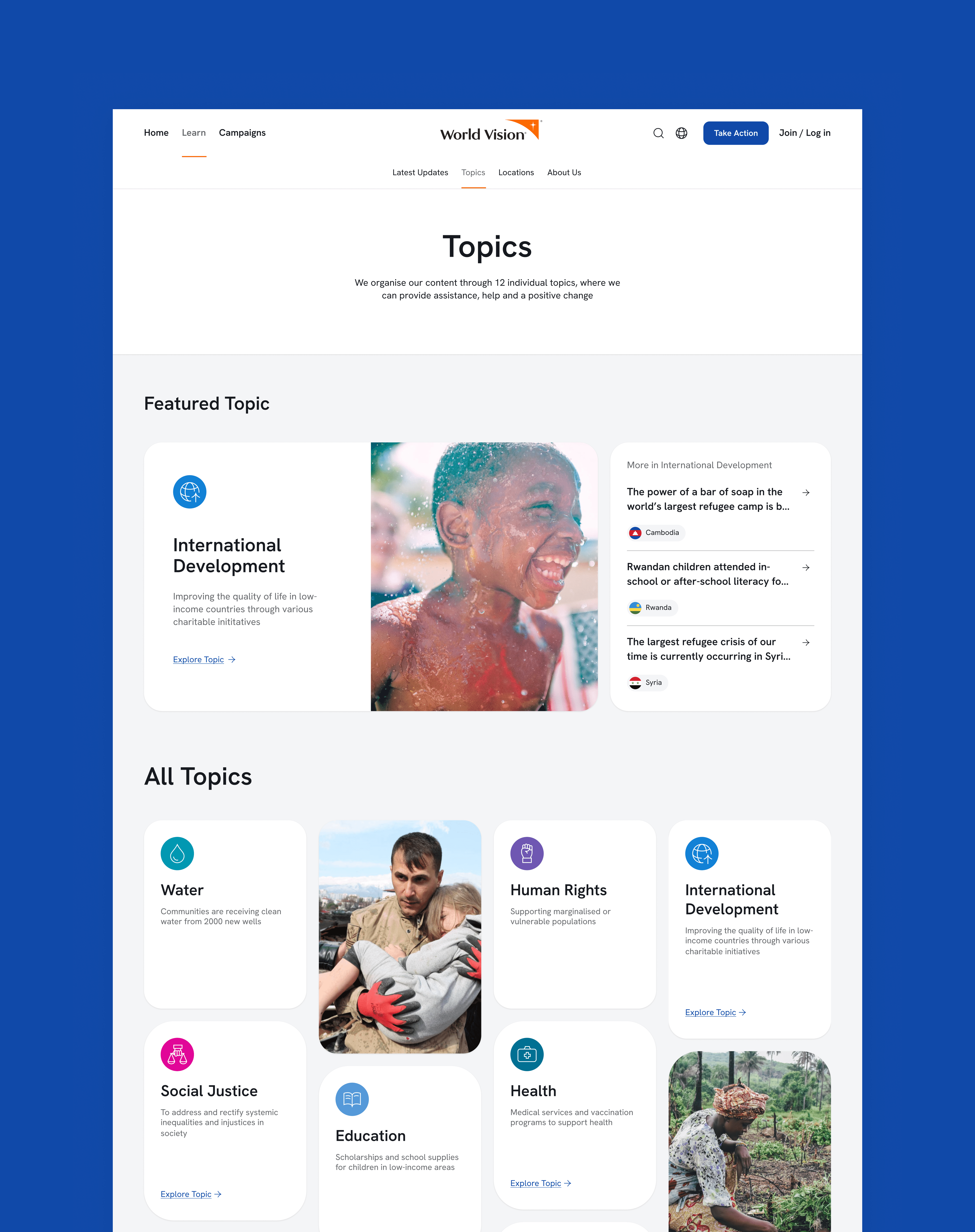
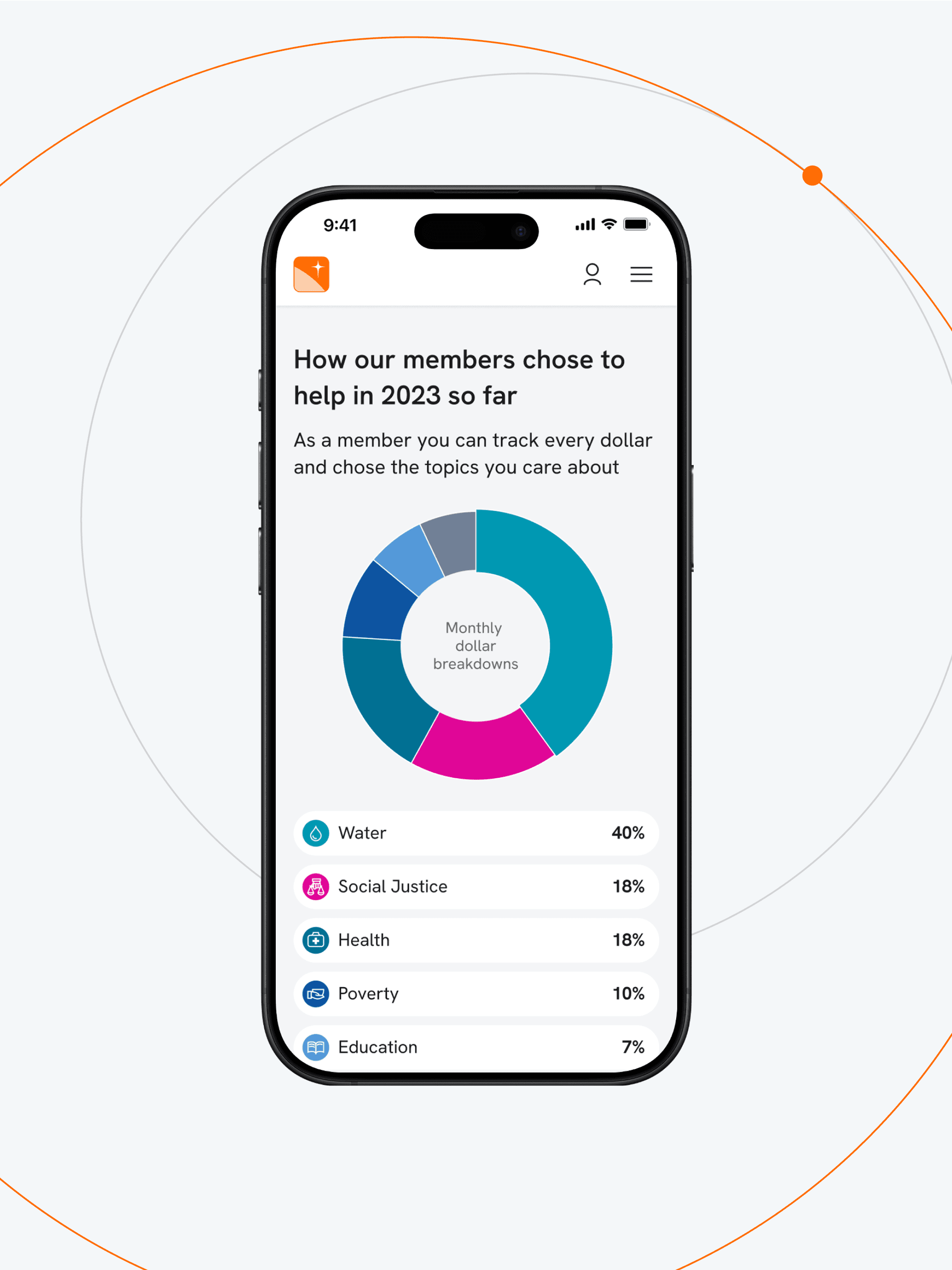
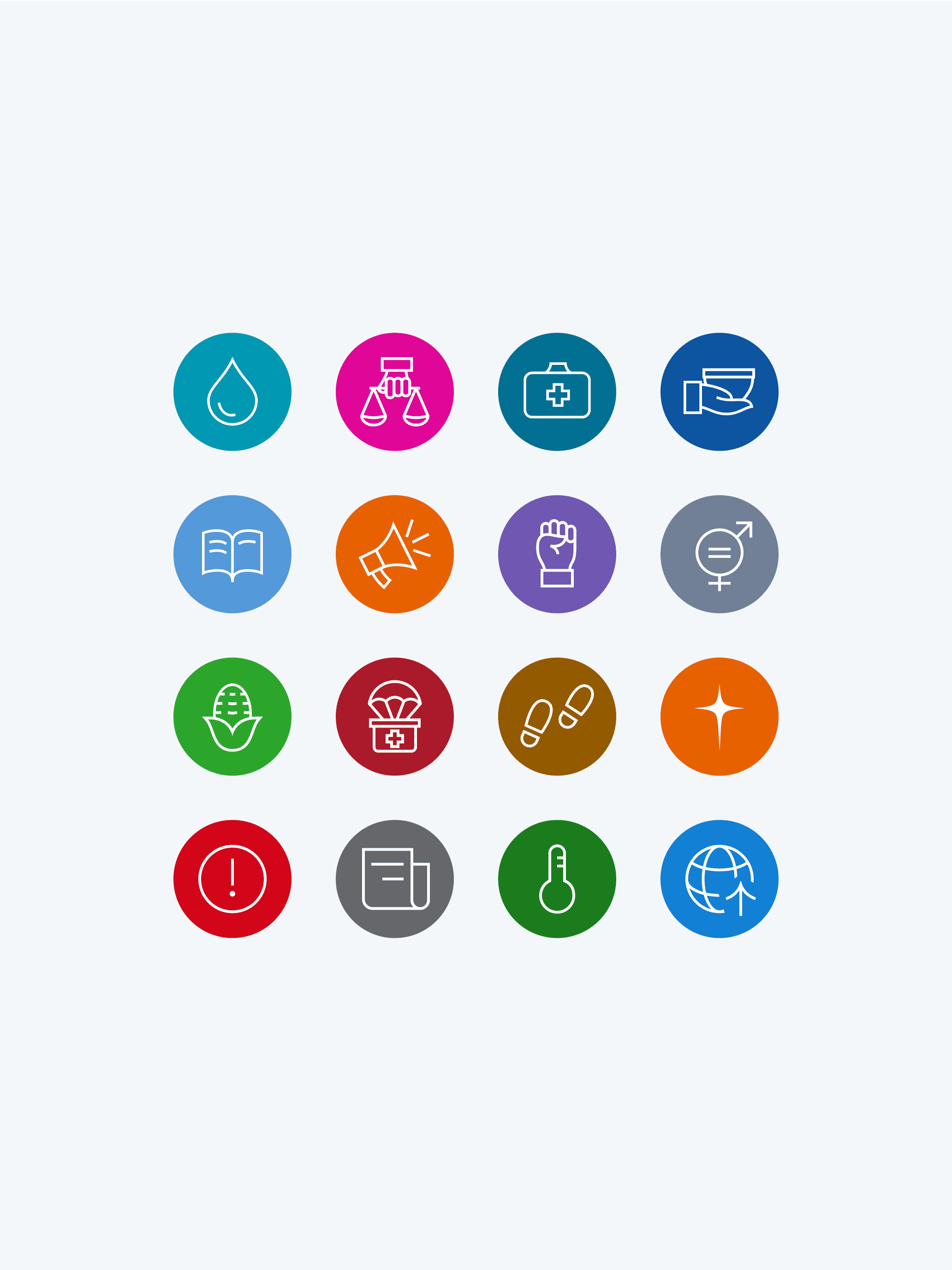
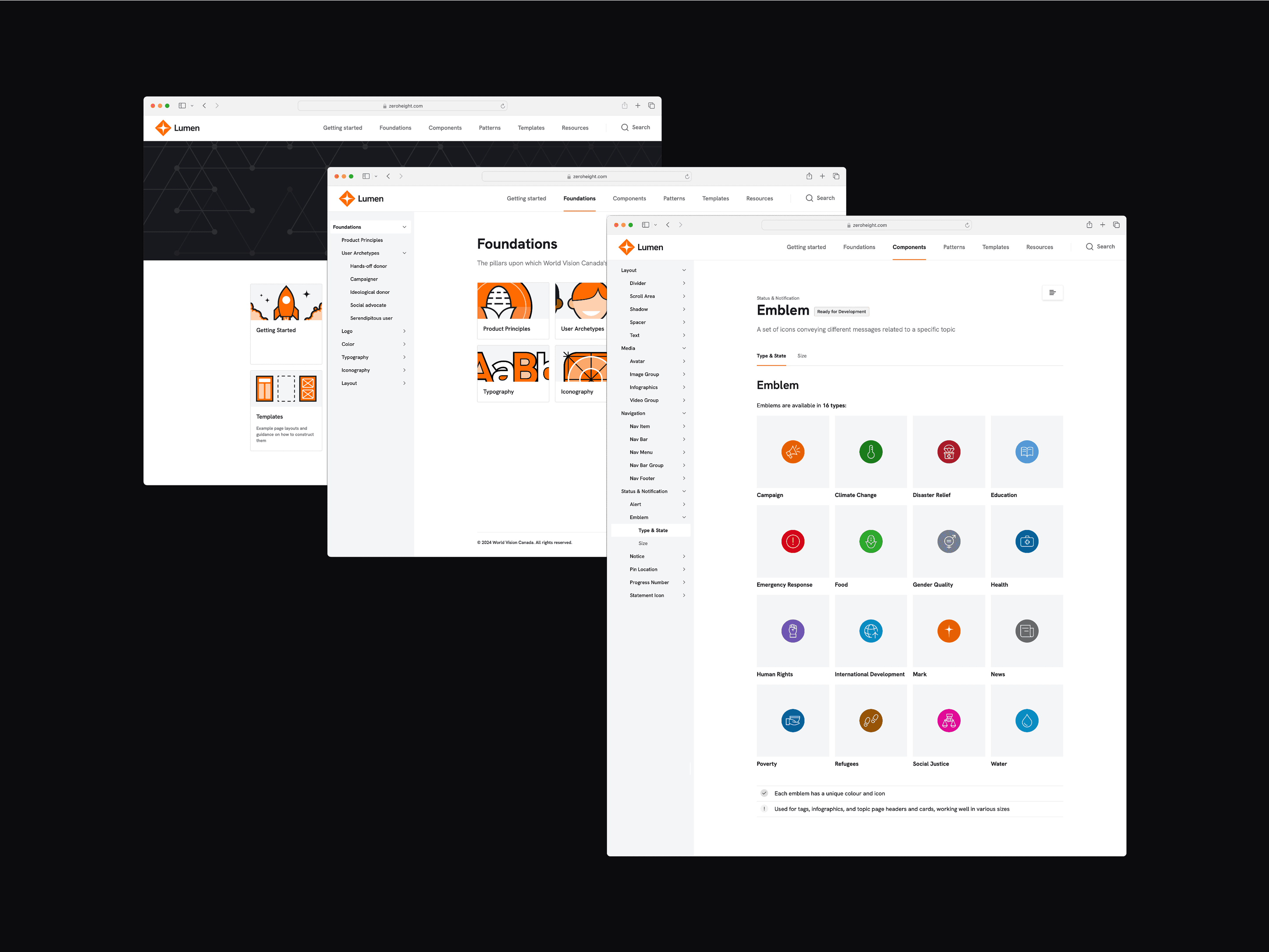
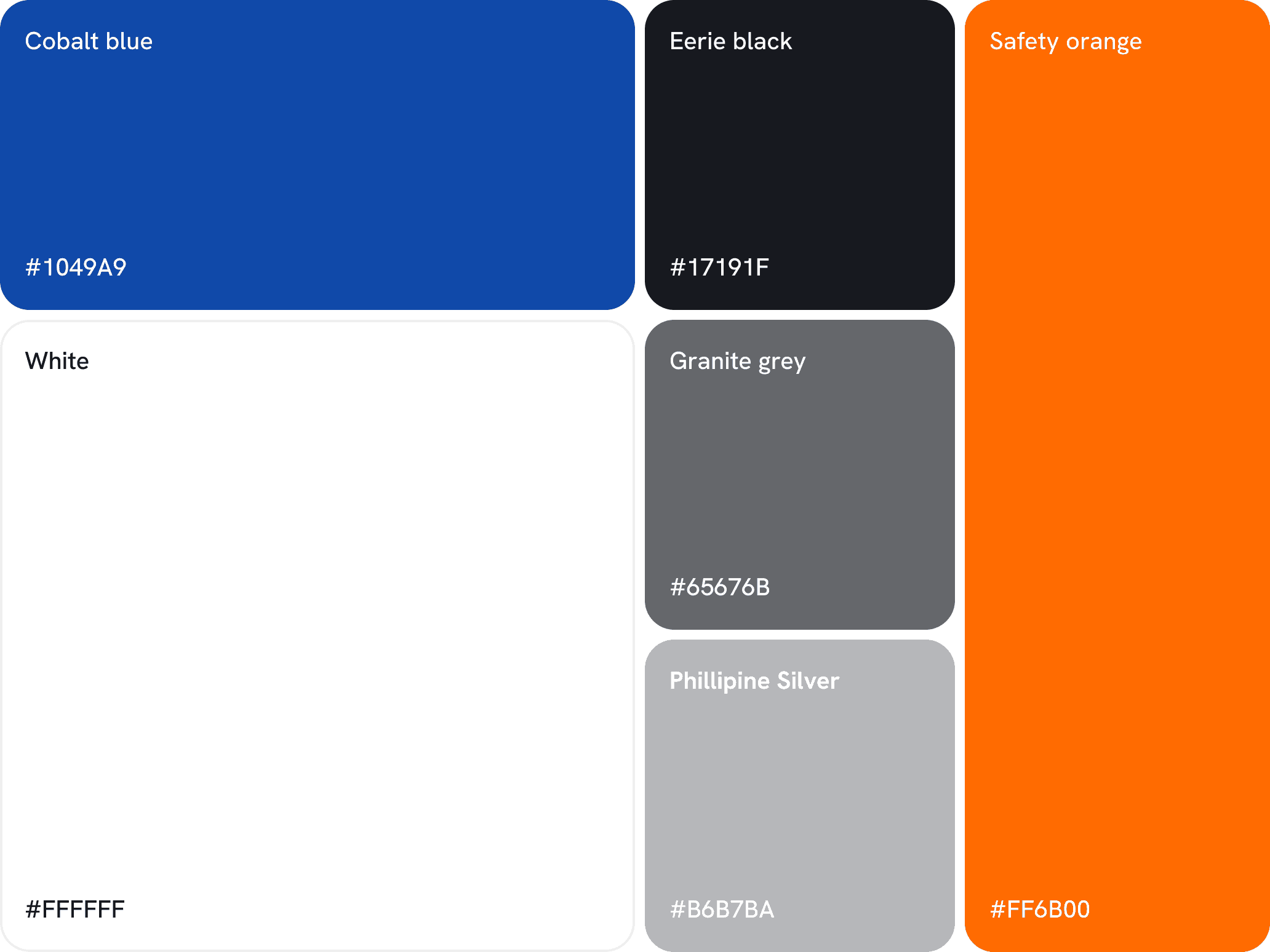
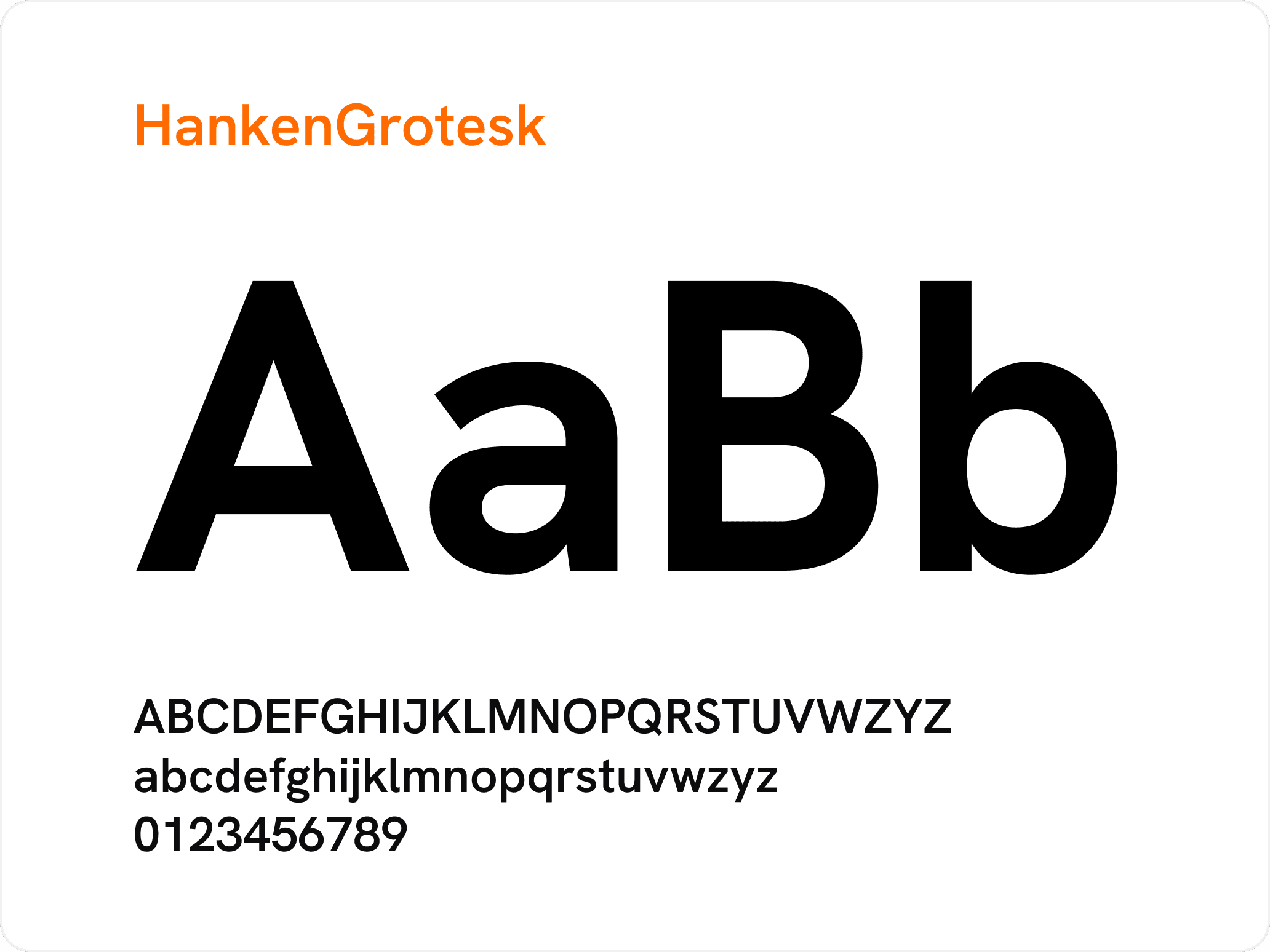
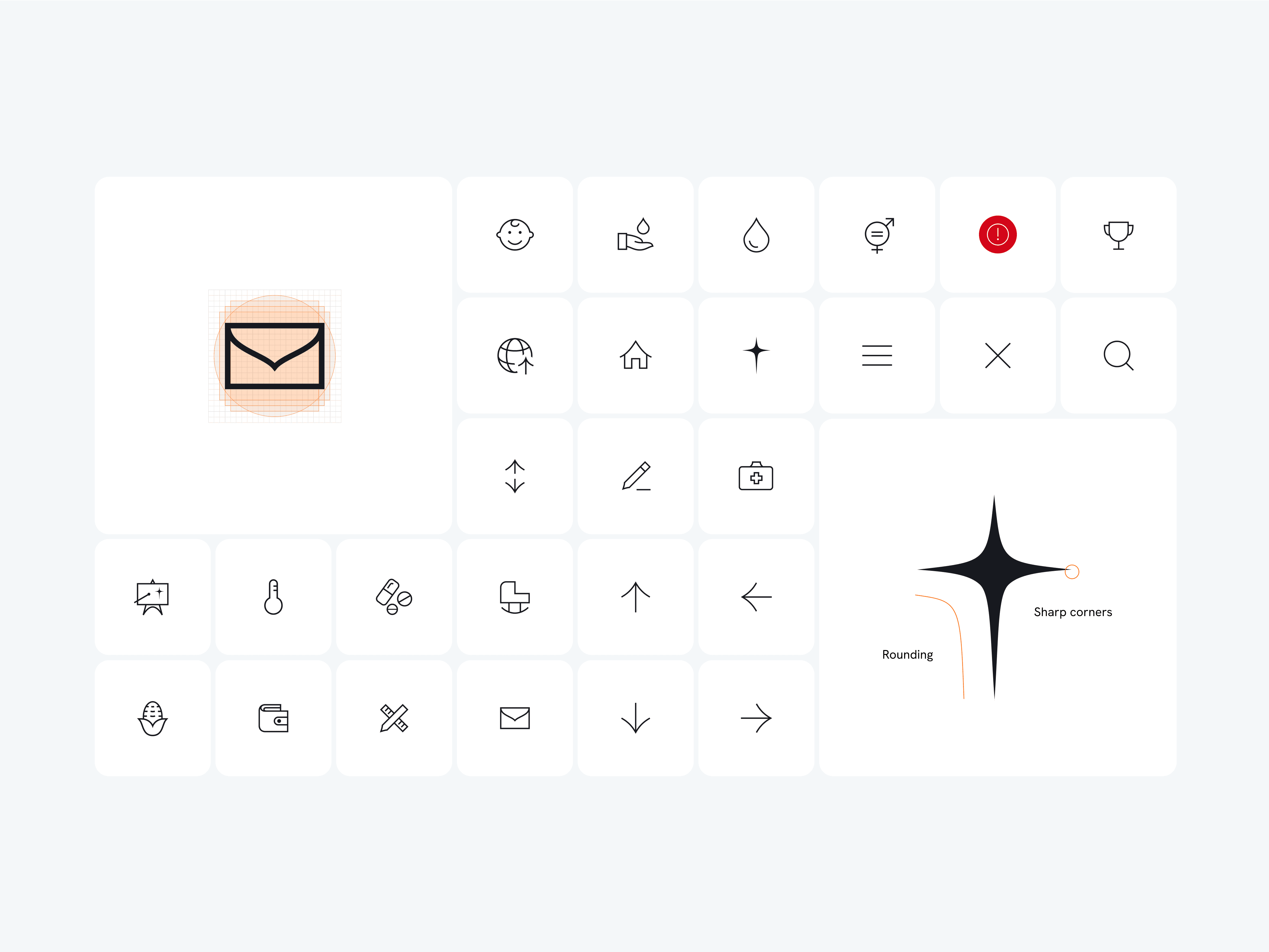
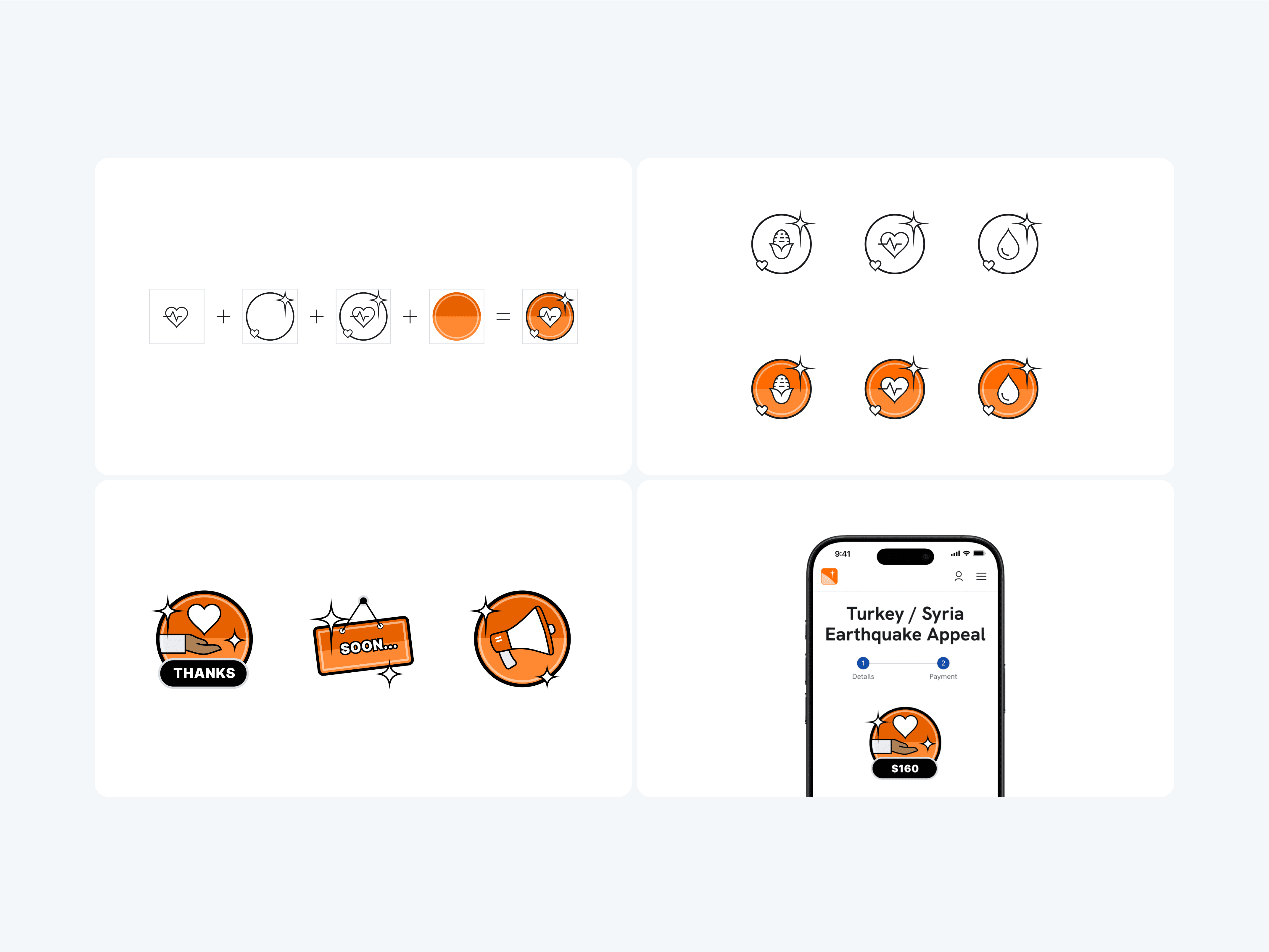
I was tasked with developing a new digital design system, which involved a brand refresh. We kept the original logo but revisited all typography, colour and icons. Echoing the logo of sharp corners with rounded edges, new icons and badges components were designed. A fully tokenised entire design system was then set in place.
The outcome
By streamlining the emergency appeal process, I helped World Vision Canada become more agile in their response to humanitarian crises.
Steps in the donation: journey simplified from 5 steps to 3, making it quicker for donors to contribute.
Time to market for the online appeal page: reduced from 6 days to 3 hours.
Mandatory fields in the checkout process: reduced from 14 to 8, lowering friction and improving user experience.
People involved in launching an appeal: cut from 23 to 7 people, speeding up internal approval processes and reducing overheads to deliver.